


Bridging the Gap: Empowering Black Students Through Education
- Prime Blueprint
- Jun 24, 2024
- 2 min read

The achievement gap in Black education has been a long-standing issue that continues to persist in our educational system. As education professionals, it is crucial for us to address this disparity and work towards creating a more equitable learning environment for all students. In this blog, we will explore two key strategies that can help bridge the achievement gap in Black education: implementing culturally responsive teaching and providing after-school tutoring programs.
Culturally Responsive Teaching: A Path to Inclusive Education
Culturally responsive teaching is a pedagogical approach that recognizes the importance of incorporating students' cultural backgrounds into the learning process. By acknowledging and valuing the diversity of our students, we can create a more inclusive and engaging educational experience.
Empowerment: Culturally responsive teaching empowers students by validating their cultural identities and experiences, leading to increased motivation and self-esteem.
Relevance: By connecting the curriculum to students' lived experiences, learning becomes more relevant and meaningful, enhancing comprehension and retention.
Cultural Understanding: Students develop a deeper understanding and appreciation of diverse cultures, fostering empathy and respect for one another.

After-School Tutoring Programs: Fostering Academic Success
In addition to culturally responsive teaching, after-school tutoring programs play a crucial role in supporting Black students and narrowing the achievement gap. These programs provide students with additional academic assistance, personalized support, and a safe space to engage in learning outside of the regular school day.
Academic Support: By offering targeted assistance in specific subjects, tutoring programs help students improve their academic performance and gain confidence in their abilities.
Individualized Attention: Students benefit from one-on-one or small group interactions with tutors, receiving personalized guidance that caters to their unique learning needs.
Holistic Development: Tutoring programs often incorporate enrichment activities and mentorship opportunities, contributing to students' overall growth and well-being.
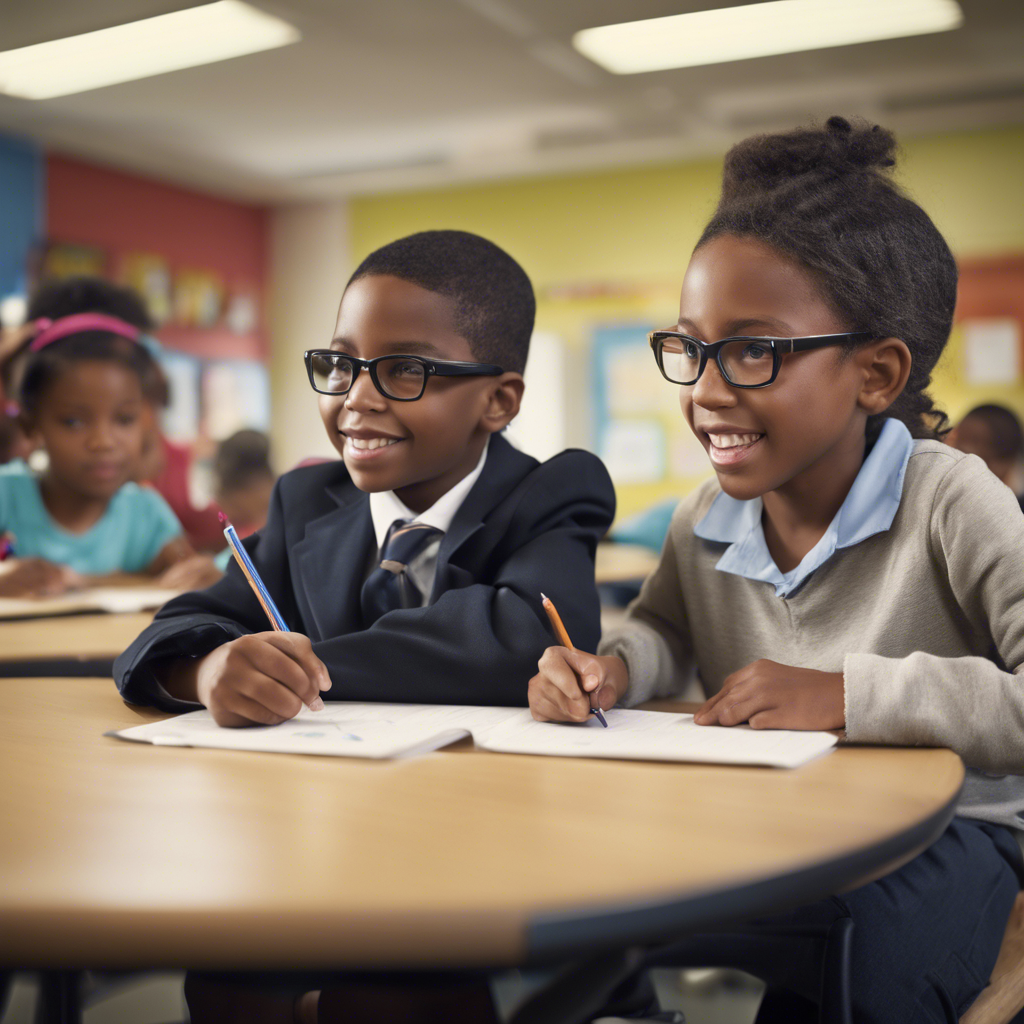
As education professionals, it is our responsibility to take proactive steps towards addressing the achievement gap in Black education. By implementing culturally responsive teaching practices and providing after-school tutoring programs, we can create a more inclusive and supportive learning environment that empowers Black students to reach their full potential. Let us work together to bridge the gap and ensure that every student has the opportunity to succeed, regardless of their background or circumstances.
Remember, education is the key to unlocking endless possibilities, and by investing in the success of all students, we are paving the way for a brighter future.
Let's make a difference, one student at a time.
With a commitment to inclusive education and tailored support, we can uplift and empower every student. Together, we can bridge the achievement gap and create a more equitable educational landscape for all.


Comments